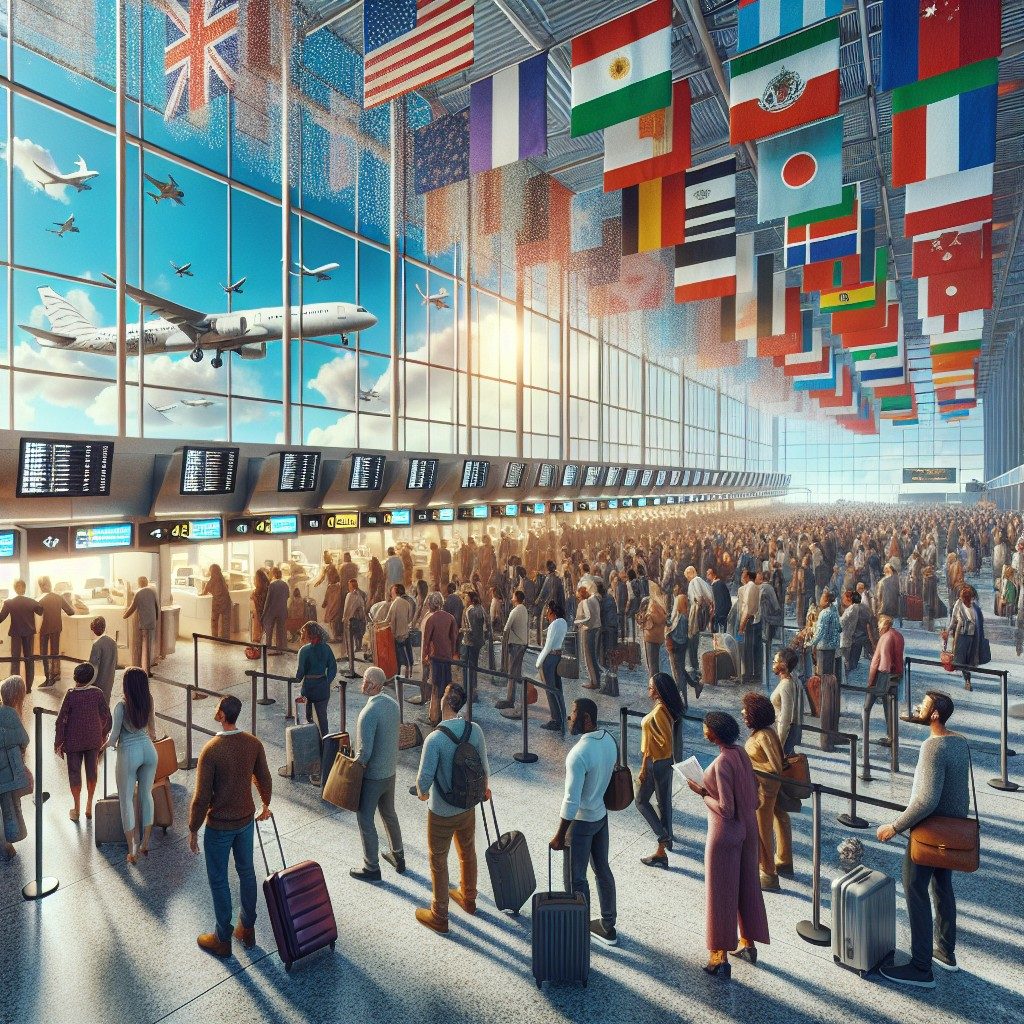
The global tourism recovery following the COVID-19 pandemic has led to significant shifts in travel dynamics. As restrictions ease and traveler confidence gradually returns, implications for prices, flight availability, and booking patterns are becoming evident worldwide.
Impact on Travel Prices
One of the notable changes driven by the tourism recovery is the fluctuation in travel prices. The initial surge in travel demand amid limited supply has led to a rise in airfare and accommodation costs in popular destinations. However, as capacity increases and competition among service providers intensifies, some price stabilization is emerging. Experts indicate that dynamic pricing strategies are becoming more prevalent, adjusting rates based on real-time availability and demand fluctuations.
Changes in Flight Availability and Routes
Airlines have been actively adjusting their routes to respond to shifting travel patterns during the tourism recovery phase. Some routes that were previously suspended are being reinstated, while others are being modified to accommodate changing passenger preferences. Although flight frequencies are increasing, certain international routes remain below pre-pandemic levels due to regulatory constraints and uneven demand recovery across regions. Airlines are focusing more on flexibility, offering passengers options to modify bookings with less penalty.
Booking Trends and Consumer Behavior
Consumer booking behavior has evolved considerably during the tourism recovery period. Extended booking windows and increased use of flexible cancellation policies reflect travelers’ cautious approach. Moreover, domestic and regional travel has seen a faster rebound compared to long-haul international trips. Digital platforms have gained greater importance as travelers rely on real-time information and trusted sources to make informed decisions. Additionally, there is a growing emphasis on health and safety assurances from service providers.
Regional Variations in Recovery Pace
The pace of tourism recovery varies significantly by region due to differing vaccination rates, government policies, and economic conditions. Regions with accelerated vaccination rollouts and relaxed travel restrictions report a stronger rebound in visitor numbers and economic activity related to tourism. Conversely, destinations still facing entry barriers or low traveler confidence exhibit slower recovery signs. This uneven pace creates a complex landscape for stakeholders, requiring tailored strategies to navigate evolving market conditions.
Industry Adaptations and Future Outlook
To accommodate the ongoing changes in the tourism sector, businesses are adopting innovative approaches. These include expanding personalized offerings, enhancing digital engagement, and emphasizing sustainable tourism practices. The combination of consumer demand shifts and operational adjustments indicates a fundamental transformation in travel norms. Analysts forecast that while challenges remain, the overall trajectory points toward a gradual but steady revival, supported by continued adaptation across the industry.
In conclusion, the tourism recovery phase is reshaping the travel ecosystem with significant effects on prices, flight operations, and booking behaviors. Stakeholders must remain vigilant and responsive to dynamic market trends to maximize opportunities and ensure resilience in a post-pandemic world. Continued monitoring of key indicators will be critical to understanding the full impact of tourism recovery.
Frequently Asked Questions about tourism recovery
How has tourism recovery affected global travel prices?
The tourism recovery has initially led to higher prices due to increased demand and limited capacity, but prices are gradually stabilizing as supply improves and competition increases.
What changes in flights are associated with tourism recovery?
During tourism recovery, airlines are resuming suspended routes, increasing flight frequencies cautiously, and offering more flexible booking options to adapt to shifting passenger demand.
How has consumer booking behavior evolved amid tourism recovery?
Travelers are booking earlier and favoring flexible cancellation policies, reflecting cautiousness during the tourism recovery process and a preference for domestic or regional destinations.
Are all regions experiencing the same pace of tourism recovery?
No, the pace of tourism recovery varies by region largely due to vaccination coverage, entry restrictions, and local economic conditions, resulting in uneven global progress.
What strategies are tourism businesses adopting to navigate tourism recovery?
Tourism businesses are increasing digital engagement, personalizing services, and focusing on sustainable practices to adapt effectively to the evolving landscape during tourism recovery.